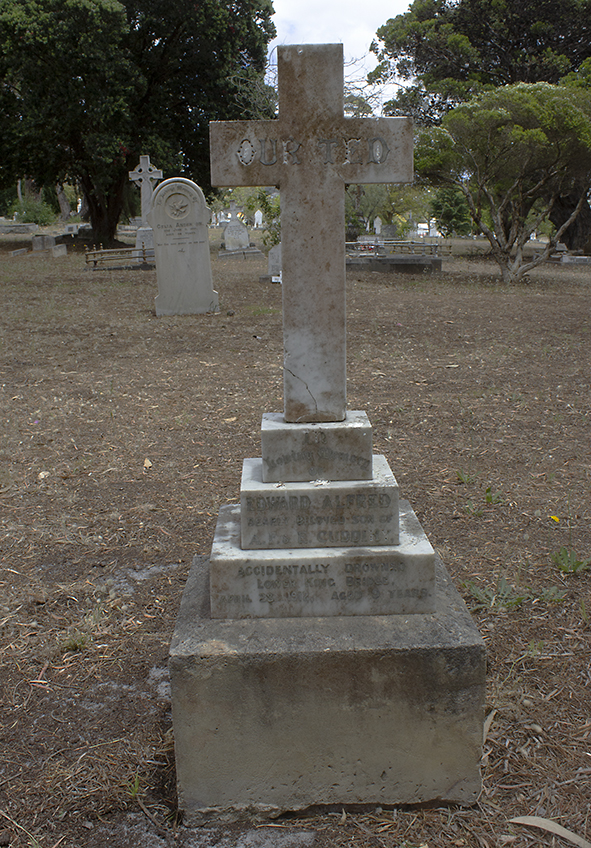
Death a final prison for Moondyne Joe

Fremantle – The handcuffs on notorious Western Australian bushranger Joseph Bolitho John’s final resting place symbolize a lifetime of imprisonment – and of persistent escapes.
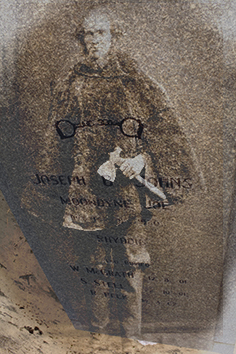
Johns’ image overlaid on his tomb in Fremantle Cemetery. Images Sharyn Moodie 2020

It can only be assumed that he didn’t escape from this final confinement.

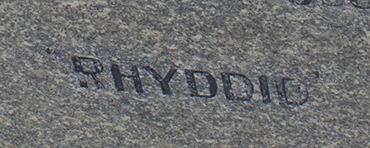
His tombstone features a pair of handcuffs, a reference to his times in prison and his ability to escape them.  Below/above them is the word “rhyddid”, Welsh for freedom.

Having started his criminal career in Wales, he was moved from prison to prison, then to hulks and then to Western Australia.

There he could have turned his life around, as he was issued with a ticket of leave.

Working in the Moondyne area, he made a living by trapping escaped stock and horses for the rewards offered for their return.

But when he caught an unbranded stallion and gave it his own brand, he was arrested. He was put into the Toodyay lock-up, from which he effected his first great escape.
He broke out, restole the horse, and the magistrate’s saddle and bridle. By the time he was caught the next day, he had killed the horse and cut the brand out of  its hide.

With no evidence of horse-stealing, the court resorted to a three-year sentence for jail-breaking – rather than the ten he faced for horse stealing.

Good behaviour saw Johns released on February 1864. But when a steer was killed, he was accused, arrested,found guilty and sentenced to the ten years he could have gotten for horse stealing.

For the rest of his life, he proclaimed his innocence. And he was determined not to service an unjust sentence, absconding from a work party in November with another prisoner.

They committed small robberies while they were on the run. But when they were caught, the man now known as Moondyne Joe was sentenced to twelve months in irons, and sent to Fremantle Prison.

In July 1866 he was given six more months in irons for trying to cut the lock out of his door.

Early in August, he escaped again. This time when he was caught, special provisions were made to keep him while he carried out his new extra sentence of five years hard labour.

Back in Fremantle Prison, he was chained by the neck to the iron bar of a window while an escape-proof cell was put together.

Hardwood jarrah sleepers lined the dark and musty stone cell, where he was kept on a diet of bread and water and one to two hours of daily exercise.

In 1867 he was becoming ill, and the cure was to break some stone in the fresh air. But the authorities weren’t silly enough to let him leave the prison.

They had the stone dumped in a corner of the yard, and had Johns constantly supervised.

So confident was the state’s Governor he said to Johns (witnessed) “If you get out again, I’ll forgive you”.
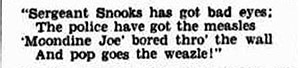
Newspaper poem about Johns.

But Johns had a cunning plan. His broken rocks were not cleared often and became a pile – partially obscuring the wall behind him. Johns gave the wall a blow with his sledgehammer every now and again, until he had made a hole in it.

On 7 March 1867, through he went.

This time he was not recaptured for two years, but when he was soon back in prison with an extra 12 months for absconding and later an extra four years for breaking and entering (hiding in the wine cellar) on his ever-expanding sentence.

Yet another escape attempt did not succeed – he tried to make a key in the carpenter’s workshop.

In 1871, Hampton’s promise to forgive him if he successfully escaped was made good. Hampton had left the colony by then, but his word still stood.

Johns was given another  ticket of leave in May 1871, aged about 45.  
 Although he spent some more short periods in jail for minor misdemeanors,  he remained mostly free for the rest of his life – until he developed dementia and was found wandering the streets of Perth.

He was ordered to the Mount Eliza Invalid Depot, but continued to abscond. And who can blame him, for that very depot was once a convict depot.

Treatment of ex-convicts being what it was in those days, he was sentenced to one final imprisonment – one month in Fremantle Prison without hard labour, for absconding from legal custody.

 He died five months later at Fremantle Lunatic Asylum, on August 13, 1900.

He was buried in a pauper’s grave, yet now rests under a sizeable granite construction.

Moondyne Joe’s story will live on, as his story has passed into folklore, and the town of Toodyay holds an annual Moondyne Joe festival.

Moondyne Joe is buried in the Fremantle cemetery, WA.

Sources:

Fremantle Prison, the Convict Establishment, 2022 Moondyne Joe; https://fremantleprison.com.au/history-heritage/history/the-convict-era/characters/moondyne-joe/

Moondyne Festival, History of Moondyne Joe, 2018,  https://moondynefestival.com.au/history-of-moondyne-joe/

Steps away from safety

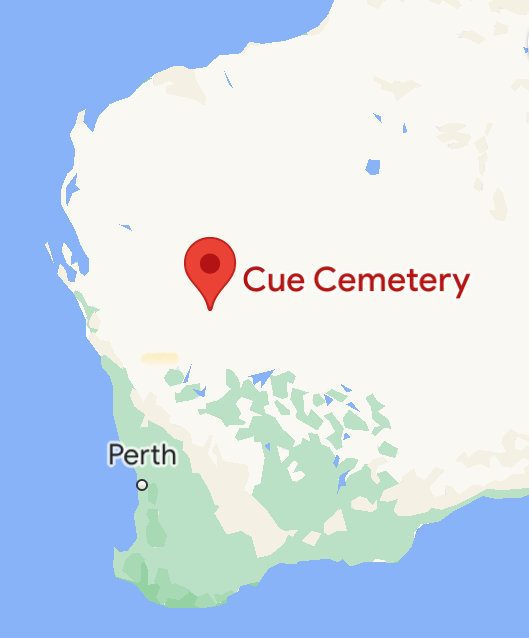
Cue Cemetery. Image Sharyn Moodie 2020.

1906 – Albert Keys and his partner were only a few steps away from safety as they left their gold mine shaft. They were also in the last days of working the site.

The duo had been working the Lily mine near Cue for some time and planned to abandon it  in about a week.

It was a Saturday morning and the men were working below on a pillar of stone.

About 10.30am they finished taking it out, and they began to leave the mine face.

But the footwall slid away, letting the supporting timber go. Mullock from an old workings rained over the two.

Chesson, who was in front, got clear, but the large rocks trapped Keys  by the hips and buried him in a rush of rubble.

Chesson frantically tried to keep his mate’s face clear, and successfully cleared it three or four times, but more debris kept running from the footwall.

He ran to the surface and called for help.

By the time he got back, another fall of earth had completely covered his mate.

Several men arrived and helped try to clear the body, but it took until 2pm before he was removed, dead.

Local Dr Blanchard, who attended the scene as soon as he heard of the accident, waited until the body was recovered. He said Keys was only lightly bruised, and death was by asphyxiation.

Albert was described as a quiet, steady, single man with a wide circle of friends.

He played with the  Railway Cricket Club, and that club’s fixture with the Workers, on Sunday, was postponed as a mark of sympathy.

Cue cemetery, WA

Sources:

 Day Dawn Chronicle, Wednesday 21 March 1906, p2

The Daily News, Friday 23 March 1906, p1

Schoolteacher takes a fatal horse ride

1904 – “A strange incident” declared the Bunbury Herald’s headline when Darradup schoolteacher John Bowler died while exercising a race horse.

The South Australian boarded with the Longbottom family at their home about 240 kilometres from Perth, and had gone to the exercise track with two male members of the family, keen to give the racing mare Roseleaf a canter.

He had gone around the track twice with her, and she seems to have been a flighty horse,  as racehorses tend to be.

She was fighting for her head when one of the stirrup leathers slipped, causing John to lurch to one side, nearly bringing the mare down.

He struck his head and shoulder against a banksia tree-

 “with such force that his neck was broken; his collar bone and his jaw were also broken and one ear nearly cut off.

bunbury herald

The mare galloped straight home to the Longbottoms, where Mrs Longbottom and her daughter, to whom John was engaged, noticed she was riderless and went out to her.

“Here a strange thing happened. The mare is generally rather averse to being caught but this morning she kept neighing and walking around Mrs Longbottom and her daughter; finally she walked up to Miss Longbottom and laid her nose upon her shoulder,” reported the newspaper.

They hurried to the racecourse, but it was too late for the 29-year-old John and his dreams of a married life.

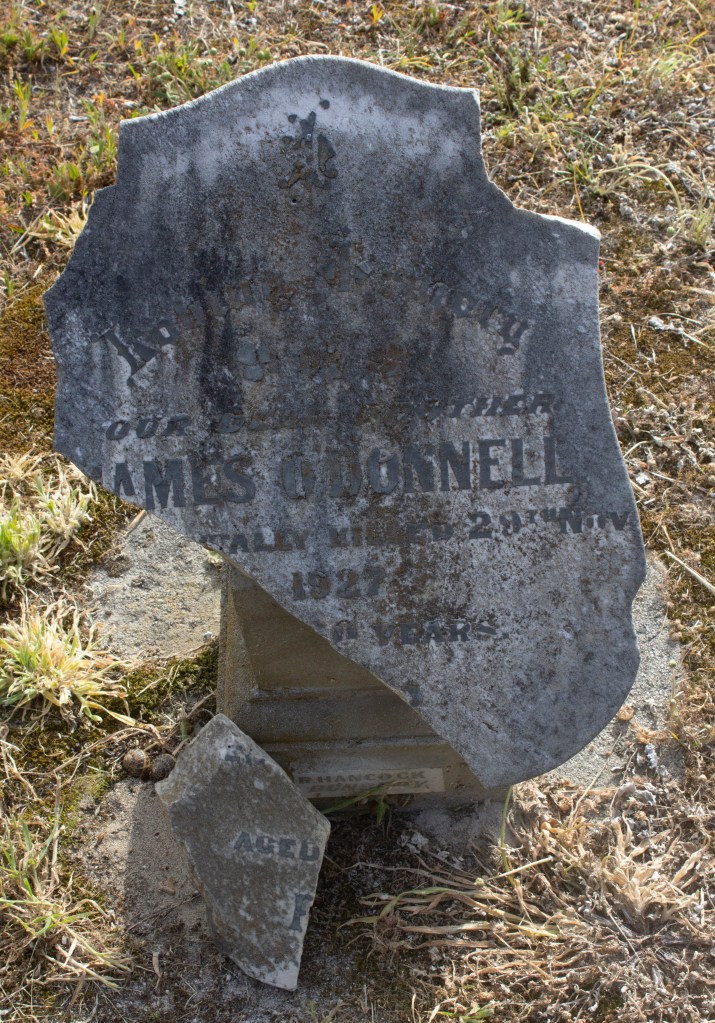
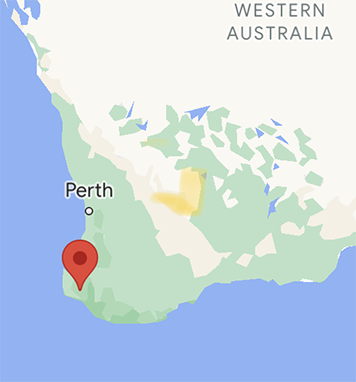
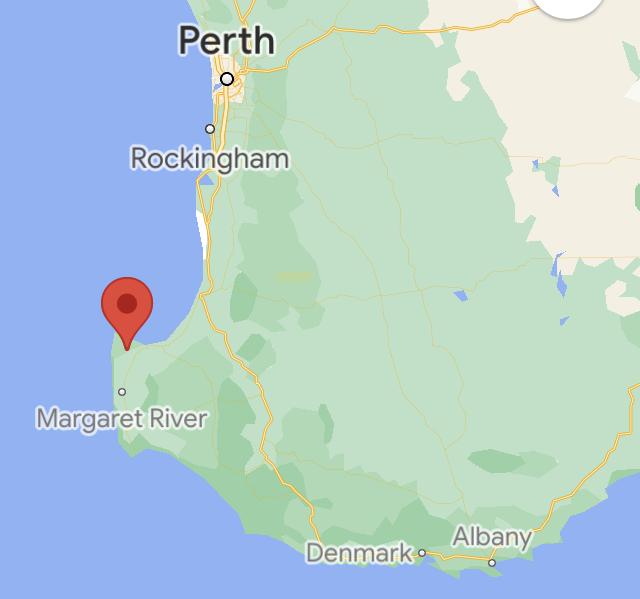
He is buried in the fascinating Old Busselton cemetery, where one can find a later headstone of the victim of a horse ride, James O’ Donnell.

James O’Donnell’s headstone in the Old Busselton cemetery is broken and difficult to read. Image: Sharyn Moodie

He was a  50-year-old farmer from Quindalup, who was found dead in one of his paddocks late on a November morning in 1927.

Sources: Bunbury Herald, Friday 26 February 1904 , p3

 The South-Western News, Friday 26 February 1904, p2

The West Australian, Wednesday 30 November 1927, p13

Flying pioneers diced with death

1924 – Aviation in Australia was just out of its first decade when popular young pastoralist Samuel “Keith” Mackay died in an aeroplane accident at Port Hedland, Western Australia.

Mackay’s memorial in the Port Hedland cemetery. Image Sharyn Moodie.

Mackay, 24,  had asked the pilot, Leonard Taplin, who worked for WA Airways and had been chartered for the flight to take Mackay home to his family’s sheep station 100 kilometres south-west, to circle around the town after taking off. This request was not unusual, said a newspaper report.

Mackay himself was familiar with Bristol bi-plane, having dabbled in flying.

But shortly after 4.15pm, only four-and-a-half miles from the aerodrome, the plane  nose-dived and crashed into the shallow waterway. 

Taplin told the subsequent inquest that everything appeared all right when they started off,  with Mackay and the mechanic, Wilson, seated in the passenger portion of the plane.

After circling the town he flew along the beach.

“He started to make a slight turn in the direction of Mundabullangana station when, without any warning, the machine rocked slightly, turned almost completely over, and dived vertically into the creek.”

He had no idea what went wrong, as the engine was going well until he shut it off, just before hitting the water.

The machine dived from about 400 feet.

 Taplin went into the water, and when he came up, “got rid of his goggles and flying gear and made a search for the others”.

He went into the passenger cockpit under water, but could not see anyone there. Mackay’s body was later found.

The jury returned a verdict that Mackay came to his death as the result of an aeroplane accident, and that death was due to concussion of the brain, no blame being attachable to anyone.

Wilson was described in the papers as having received “a good shaking’’ in the incident.

Pilot Taplin was no stranger to danger in the sky, or indeed, falling out of it.

He was a WW1 ace who had shot down 12 enemy aircraft and balloons, and been blown out of the sky himself at least three times. On the final occasion, he was shot through the right hand before being made a prisoner of war.

Although he initially felt his crippled hand was the end of his flying career, he recovered and joined Western Australian Airways three years before this accident, as the company pioneered commercial flights in that state.

And witnessing one of the three planes on the airline’s initial trip crashing and killing another pilot and mechanic near Kalbarri, didn’t keep him out of the sky.

One WA newspaper would hear no criticism of the airline after the Port Hedland crash.

When it is considered that the W.A. Airways Ltd. has flown 318,000 miles during their two years and seven months of existence, it will be realised that the liability to accident from this cause is no more common than is the possibility of mishap from motoring.

Sources:

Geraldton Guardian, Thursday 17 July 1924, p3

Kalgoorlie Miner, Wednesday 23 July 1924, p 5

Sunday Times, Sunday 6 November 1921, p9

The Daily News, Thursday 17 July 1924, p8

The Murchison Times, Friday 18 July 1924, p3

Western Mail, Thursday 24 July 1924, p24

Sunday Times, Sunday 6 November 1921, p9

Virtual War Memorial Australia, Taplin, Leonard Thomas Eaton, https://vwma.org.au/explore/people/537556

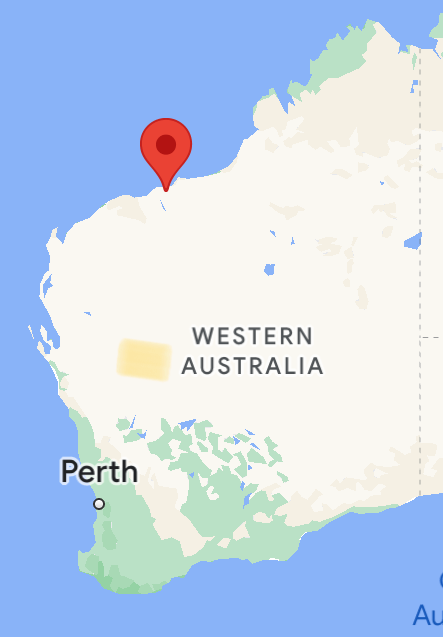
Port Hedland, Western Australia

Frank died on his way to war

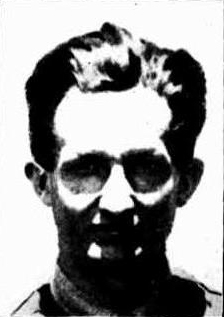
1915 – PRIVATE FRANK CURRAN died before he could make it to World War I, but the Catholic priest who anointed him as he died proclaimed him “as big a hero as if he had died in the trenches”.

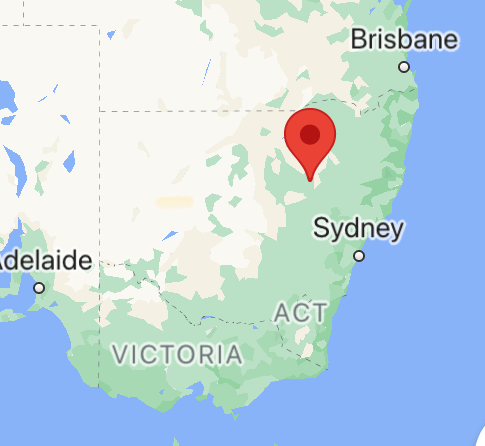
The second son of the Coonabarabran postmaster, Frank was only 19.

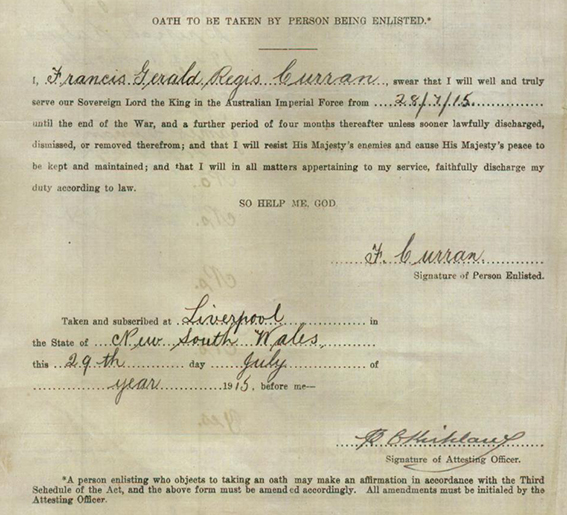
According to his enlistment records, he was five foot three-and-a-half inches (161cm), had a ruddy complexion with hazel eyes, brown hair and was a Roman Catholic.

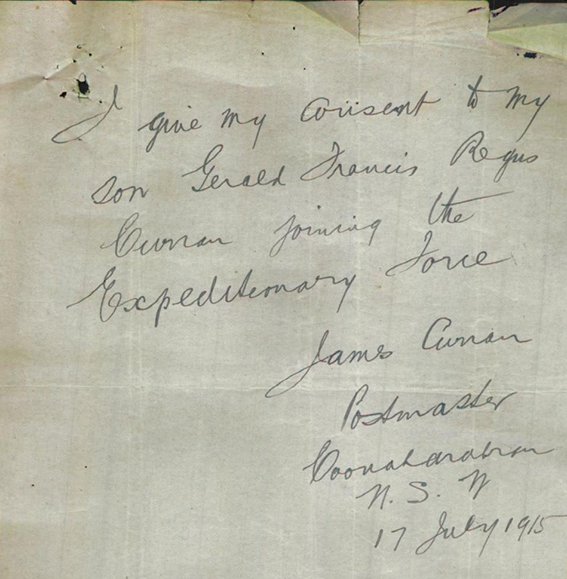
Armed with his father’s consent, he had left his rural central NSW home, along with three other sons of the region – George Douglas, Claude Nelson, and Jack Loudon – to enlist at Liverpool training camp.

Liverpool, 30 km west of Sydney, was the main camp for the reception and basic training of recruits for the AIF in New South Wales during World War 1. It housed about 6000 men when Curran arrived in late July, but by September, there were nearly 17,000 living there.

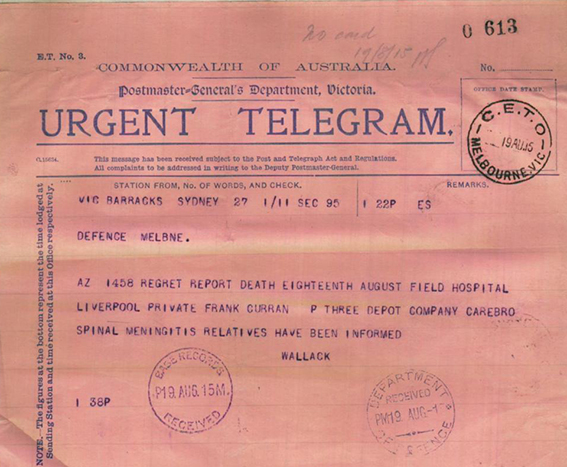
At the training camp the boys underwent health checks and were vaccinated, after which Frank developed a cold. He seemed to be getting better until the morning of Monday, August 15, when he complained to his mate that he felt unwell.

The doctor felt he was ill enough to put him under observation, but the following morning he lost consciousness and was taken to hospital.

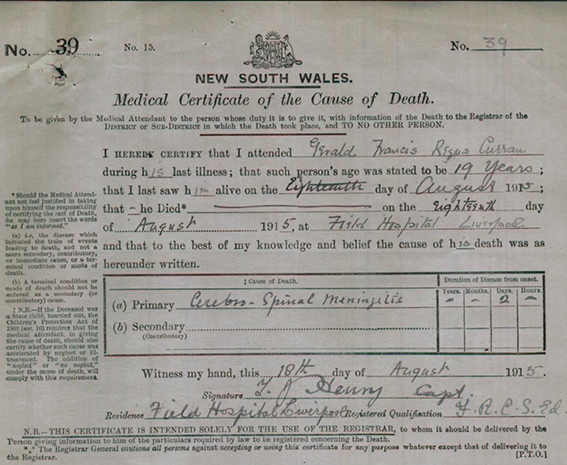
He died on the Wednesday, a little more than a fortnight after he had arrived.

His father had been sent for the day before, and arrived before he died, but did not see his son conscious again. Frank’s death certificate ascribes his demise to cerebro-spinal meningitis.

On the night of his death Father O’Brien, speaking to Curran’s fellow soldiers in the Catholic military tent at Liverpool Camp,  held him up as an example to follow.

 He explained the beautiful holy death he had, and proclaimed him as big a hero as if he had died in the trenches.

The Light Horse Band accompanied a funeral procession to Liverpool Station, from whence he was taken to Gunnedah, given another funeral, and then taken to Coonabarabran.

There, his local Reverend Father parker paid a glowing tribute to his memory.

“A few weeks ago, we were all in admiration of the  noble example and self-sacrificing spirit displayed by Frank Curran, who left home, relatives and friends under the standard of  justice and freedom to prepare himself to fight the battle of natural and national rights.

Today we are gathered around his silent grave, and if we listen we seem to  hear a message more touching and more eloquent than would be possible to utter by the  most fervent patriot. That message was not to falter.

Reverend Parker at Curran’s graveside
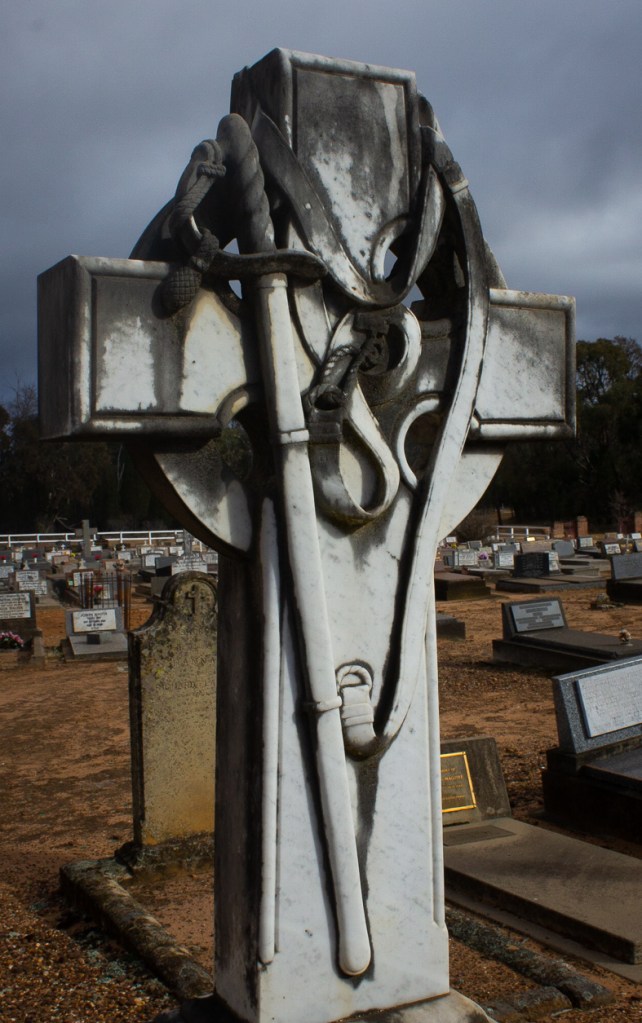
Images: Sharyn Moodie

A squad of riflemen fired three volleys, and the Last Post was sounded.

Sources: Freeman’s Journal, Thursday 9 September 1915 p 21

The Daily Telegraph Tuesday 24 August 1915 p 5

National Australia Archives at https://www.naa.gov.au/explore-collection/defence-and-war-service-records

NSW State Archives and Records at https://nswanzaccentenary.records.nsw.gov.au/in-service/liverpool-riot-1916/
Coonabababran, NSW

The Yalgoo outrage

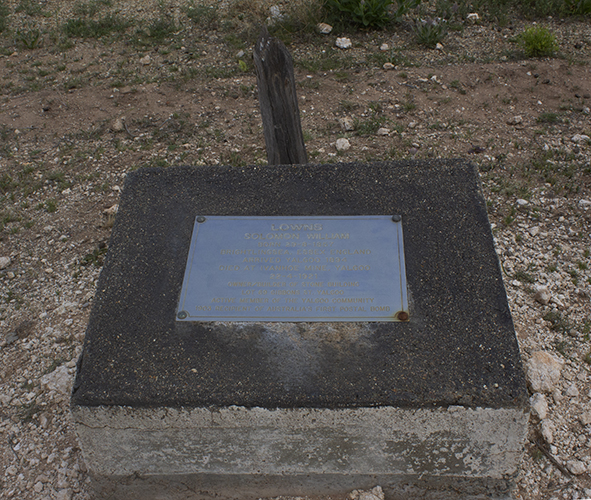
The Yalgoo outrage, the Yalgoo horror, the Yalgoo mystery. Thus read the many headlines in 1903 when Solomon Lowns became the recipient of Australia’s first postal bomb, which blew off his lower left arm.

It was a far cry from the publicity when he died alone among his mining machinery near the remote Western Australian town of Yalgoo 17 years later.

Solomon Lowns

He had been living as a hermit for the previous six years, since the mining operation had ceased.

And his solitary life was perhaps a reprieve he needed after the excitement of his earlier life.

It was February 1903 when a parcel arrived for him at the Post Office. But as it had not been sent with the correct postage payment, he had to collect it personally.

At the post office, he remarked to the postmaster that it was probably some gold posted to him to sell.

The postmaster asked him to open it there, because it if containedgold the postage cost would be more.

But as he opened it, it exploded, and he lost his left hand and part of his lower arm.

The man charged with the crime was exonerated after two trials, and the true culprit never found.

Lowns, an Englishman, had started a seafaring life, having been in America and South Africa before coming to Australia, where he spent time in Queensland, the NorthernTerritory and the Kimberley.

He came to Yalgoo 20 years before his death, and was at one time the storekeeper and carrying and forward agent.

After his accident and the court case, he continued as a busy member of the community, on the local roads board, acting as a JP and a member of the licencing bench.

He was part of a syndicate which took up a lease on the old Gullewa Queen mine and worked it without much success. He bought out the other shareholders but eventually ceased mining.

Lowns refused to see a doctor as he lived among his rusty mining machinery with his health failing.

His neighbours noticed his ill health and were willing to help him, but were not always sure of a welcome.

Geraldton express

He was buried at the Yalgoo cemetery the day after his death, but his headstone is not the only landmark to his life … the remains of a home and store he started to build after his accident, but never completed, add to the character of this tiny outback town.

Sources: The Geraldton Express, 29 April 1921, p 4

Geraldton Guardian, 28 April 1921, p1

West Australia, June 15, 1903, p3.

Yalgoo, WA

Albany Memorial Park holds history in its bones

Like ribs on a skeleton, the many aged gravestones of Albany Memorial Park cemetery protrude from either side of the highway as you make your way down the slope of Middleton Road towards the glistening Southern ocean.

The cemetery covers about 2.5 hectares and has about 5000 graves, ranging from unmarked, through simple wooden markers to elaborate constructions.

It was the first consecrated cemetery in Western Australia, and offers a fascinating insight into the history of the town and its people.

It was originally a group of denominational cemeteries, and as such contains burials of people from many different walks of life, who lived or died in the town between about 1840 and 1959.

It is National Trust and Heritage Council-listed.

Here is a selection of stories which tell of different aspects of Albany’s early history, chosen through their headstones. Click on their names to read their stories.

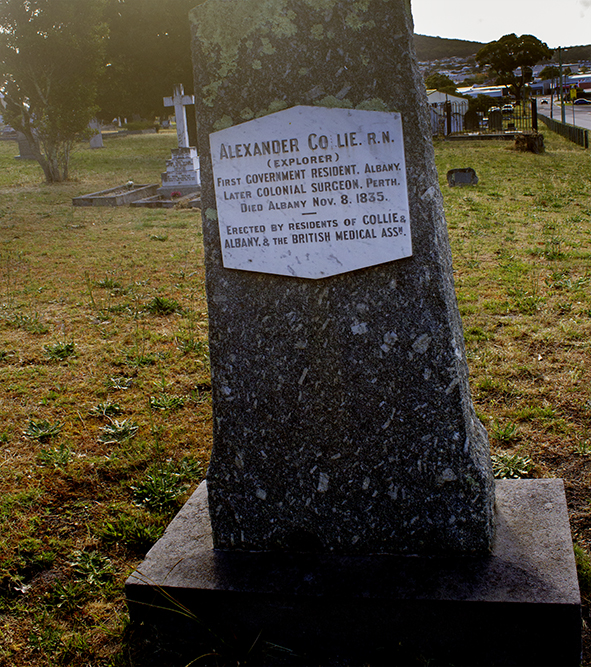
One important person buried in the cemetery – and possibly even the first internment – was colonial surgeon Dr Alexander Collie, who was buried and then exhumed to be placed in the early cemetery.

Image Sharyn Moodie 2020

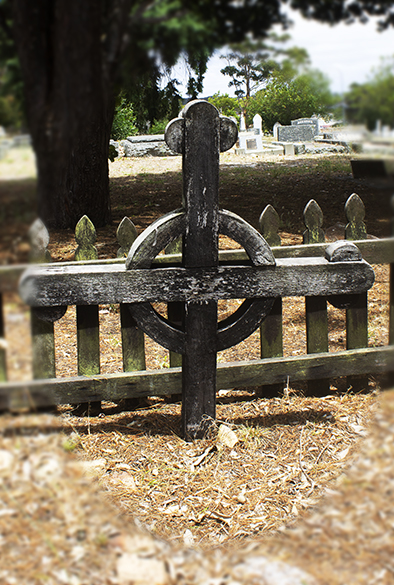
Then there was Able Seaman Henry Rodber – who was killed by a local storekeeper after some unrest between the navy and locals. The storekeeper actually paid for Rodber’s memorial cross.

And speaking of seamen – Albany’s seaside position means it has many occupants who succumbed to the ocean.

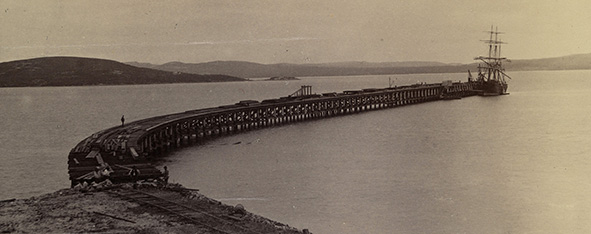
The Albany Harbour. scene of many deaths.

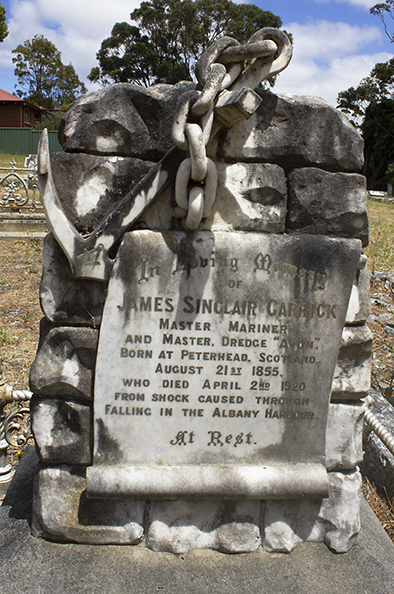
One was James Sinclair Garrick, master marine and master of the dredge Avon, who died from shock caused by falling into the harbour as he tried to board his vessel.

Then there is child Melville Muir, who drowned at a local boat harbour and W Satterly, who fell overboard as he tried to retrieve some errant pyjamas. Click on their names to read their stories.

Image Sharyn Moodie 2020

.

.

.

.

.

.

.

.

And Edward White, whose headstone (pictured below) is becoming harder to read each day. He was returning to his homeplace South Africa with his wife and child when he took ill and died at Albany on the SS Warrigal. It was 1900.

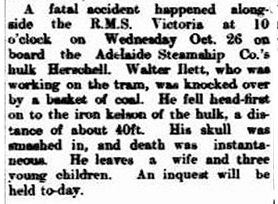
Walter Ilett had some bad luck working on the wharfs.

The Inquirer and Commercial News (Perth, WA : 1855 – 1901), Friday 4 November 1898 – Page 2

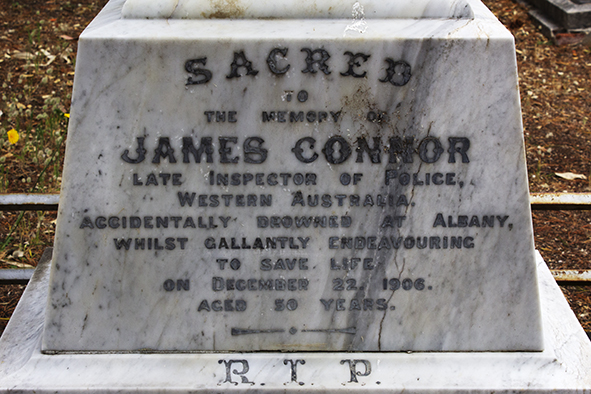
Police inspector James Connor couldn’t swim yet tried to rescue his nephew when he fell off the wharf.

Image Sharyn Moodie 2020

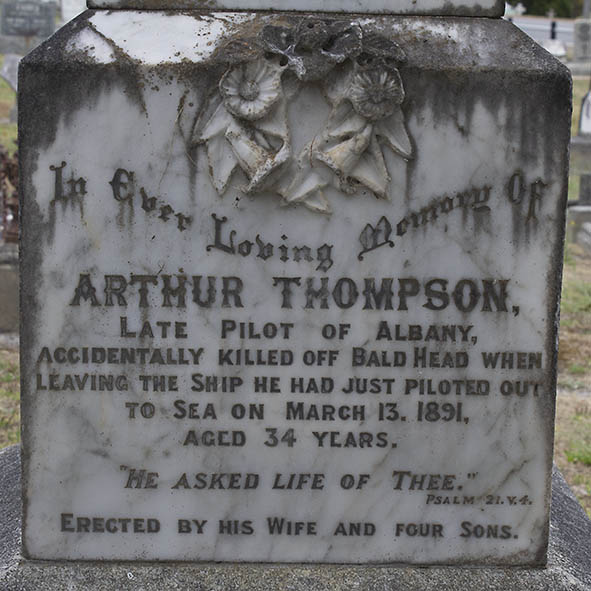
Ship’s pilot Arthur Thompson who was crushed as he tried to move from one boat to another.

Image Sharyn Moodie 2020

Young Edward Cuddihy died when a family fishing expedition and picnic went terribly wrong.

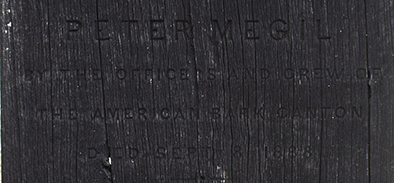
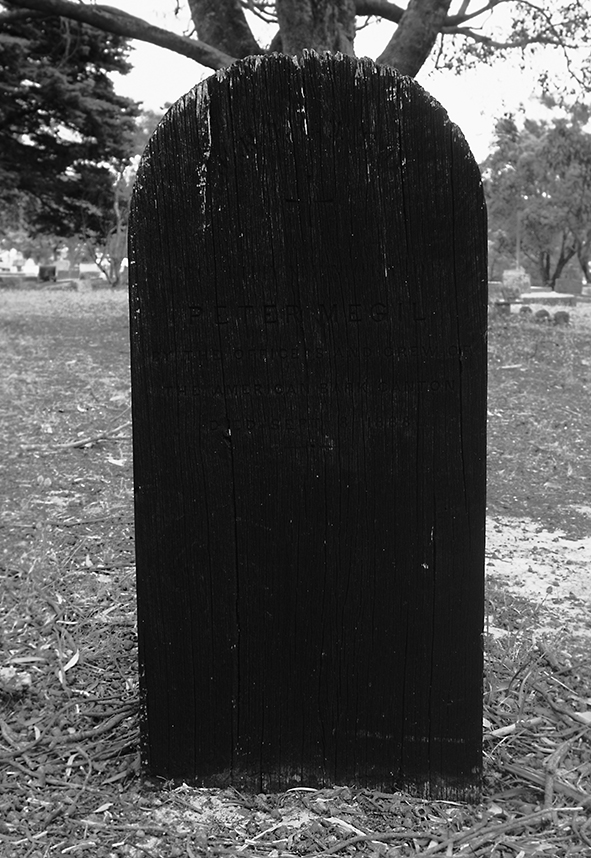
And those who have died far from home, their story perhaps lost to time.

Peter Megil by the officers and crew of the American bank Canton, died Sept 8, 1888, Image Sharyn Moodie 2020
Image Sharyn Moodie 2020

.

.

.

.

.

There are also some interesting children’s graves. Click here to read about children dying from ant stings, collapsing sandheaps and more.

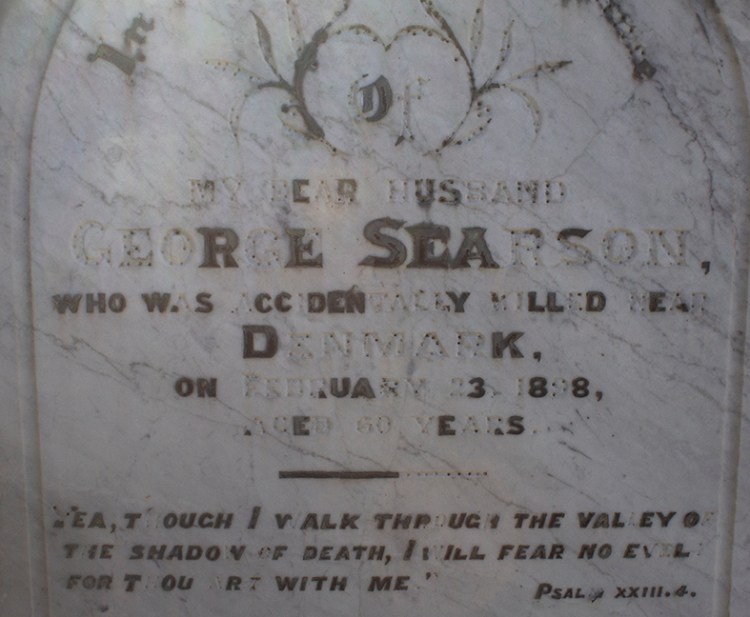
Every cemetery has its share of railway accidents. George Searson died through his own efforts.

This cemetery has a host of special inhabitants and it has been a pleasure to share some of their stories.

Sources: Sunday Times, Sunday 11 April 1920, p10

Albany Cemetery Board, viewed at https://albanycemeteryboard.com.au/memorial-park/

Royal Trust Collection: View of jetty, Albany, W. Australia, c.1881. (The Cruise of H.M.S. Bacchante 1879-1882. Volume III, Bermuda, South America, Cape Town, Australia].

Colonial leader laid to rest – twice

1835 – Western Australian pioneering doctor Alexander Collie wanted to be buried next to his close friend and Aboriginal leader Mokare*.

Mokare had travelled alongside Collie as he explored the south of the state, and played an important part in maintaining friendly relations between the land’s inhabitants and the newly arrived Europeans.

He was a regular house guest of Collie, and had died in June 1831, most likely from influenza.

There was no official town cemetery in Albany, where Mokare breathed his last, and he was buried on a small plot there (lot S112).

And when the bachelor Collie died four years later (see below for that story), he was indeed buried alongside his friend.

But just four years later an official cemetery was declared in the town and Collie’s remains were reinterred to the Albany Pioneer Cemetery, one of Western Australia’s first consecrated cemeteries.

Some sources say Collie was the first interment in the new cemetery when it opened in 1840 (1).   

However, other claim that his remains were not moved until the construction of the Albany Town Hall over the site of his first resting place in the 1880s (2).

Whenever he was moved, as the centenary of his death approached, no-one knew where he was buried.

In 1935, the British Medical Association was considering erecting a headstone on his grave.

An old cemetery plan was found on which the first grave marked in the cemetery, at that stage known as the Church of England cemetery, was that of  a “Dr. Colley” – which supports that he may have been the first burial in the new cemetery.

 There was no specific location except that it was at the extreme western end of the old portion of the cemetery, which was marked unmarked with headstones.

The memorial headstone, picture above, was erected, so presumably his place of burial was identified.

While it is unknown what happened to Mokare’s remains, a statue of him was erected  in the Alison Hartman gardens in nearby York Street  as part of a reconciliation program in 1997.

Plans to create a “place of reflection’  behind the town hall as another mark of respect were raised in 2019.  

How did Alexander Collie die?

He had arrived in the fledgling western colony in June 1829, as a surgeon on the HMS Sulphur which founded the region.

After a few years spent exploring the south-west and also working as in general medical practice,  he moved to Albany as the first Government Resident.

Here he began to suffer from what he first thought was asthma.

It obviously affected him badly as “He gave up the idea of marriage because ‘no one would marry a broken winded animal such as I’.””  (2)

Eighteen months later he returned to the more-established township of Perth to become colonial surgeon.

Despite having the means to build the best house in Perth, his continued health deterioration forced a decision to return to England.

But it was too late.  Having embarked on a ship for Sydney, he only reached King George Sound and Albany before he was moved to the house of prominent early setter George Cheyne and soon died.

He made a will sometime in these final few weeks of his life. He left his brother James ‘my largest silver snuff box’; his brother George ‘my writing desk and gold ring.’

Everything else, including his grand home,  he left in equal parts between the two of them.

*various spellings include Morkew, Mawcarrie, Markew or Makkare.

Albany, Western Australia

Sources: 1. Albany Memorial Park Cemetery, ANZAC Walk 1 brochure, https://library.albany.wa.gov.au/programs-collections/albany-history-collection/albany-memorial-park-cemetery-walks.aspx,

2. Alexander Collie – Australian Dictionary of Biography, https://adb.anu.edu.au/biography/collie-alexander-1911

Mount Barker and Denmark Record, Monday 27 May 1935 – p3, Monday 1 July 1935 – p3

The West Australian, Friday March 13, 1936, p13

Monuments Australia: https://monumentaustralia.org.au/themes/people/indigenous/display/60018-mokare  Monuments Australia.

Killer erected memorial to his victim at cemetery

It’s a solid wooden cross, standing slightly apart from others at the Albany Memorial cemetery.

The words are simple :-

H Rodber, AB HMS Diamond, killed June 2 1885, aged 33 years

The memorial was paid for by the man who killed the able seaman.

So how did Henry Rodber (also spelt Rhodber in some newspaper reports) end up below the ground, and what happened to the man responsible for his death?

There had been some unrest around town. The Royal navy ‘s HMS Diamond was in port, and its sailors were running amok. Townsfolk were complaining that the police could or would not control them. 

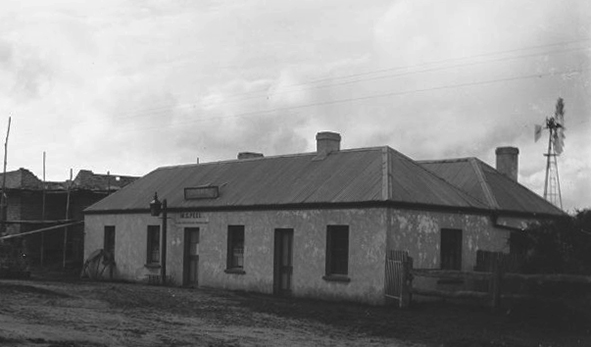
The first night of  June that year, some of the junior navy officers known colloquially as “bluejackets” were drinking at the town’s  Weld Arms Hotel.

There was a scuffle between a sailor called West and local storekeeper Abraham Krakouer, which  apparently started when Krakouer declined West’s offer of a drink.

When Krakouer’s nose got scratched he “plugged” West in the eye and ran home.

The Weld Arms Hotel, where the story began ( pictured in 1904)

But some of the seamen went to his house and there was a ruckus.

The police were sent for, but by the time they had arrived the sailors had fled and all was quiet.

An incensed Krakouer asked a policemen if he could get a revolver from them, declaring that if any of the bluejackets came back he would shoot some of them.

The answer, of course, was no, and the policeman advised him if he did any shooting to “shoot in the air”.

The next morning Krakouer went into town, asking around for the loan of a revolver. An Edgar Jaffray had one to spare, and gave him the weapon at another hotel, the Freemason’s hotel.

But he handed over the gun in front of a HMS Diamond sailor, Finn, who was talking about the scuffle the night before.

Krakouer joined in the conversation, saying that the men had been a lot of curs, and finishing up by remarking  “I wish I had this (the revolver) ” last night ; only let the b-s come up to-night, and they will feel something from this.

 He returned to Jaffrey’s office to get ammunition and on his way home separately met two policemen, and repeated his intention of shooting some of the bluejackets.

One report said he also actually shook the revolver at some bluejackets he saw at the Weld Arms as he walked past after 1pm (on his way home finally perhaps).

As the newspaper put it, this was “like holding a red rag to a bull.’’

The sailors headed back to Krakouers, where the black-eyed West demanded an apology for having been struck by Krakouer the night before. They called on him to come out and fight.

Here, events get complicated. The sailors, including Rodber, were said to be armed with sticks and using bad language.

West was trying to get to Mr Krakouer on his high-set verandah.

Mrs Krakouer was talking to the ill-fated Rodber at the  veranda gate, along with a young woman, Margaret Hegarty.

Rodber, it was said, wanted to “expostulate’’ with Krakouer. It is not known whether he was present at the Weld Arms the night before?  Was he a good friend of West? Or was he drunk and just joining in the fun?

Margaret later told the Supreme court Rodber had a large stone in his right hand, and she and Mrs Krakouer had tried to get it from him, but he pushed her each time she asked for it, and was saying “let me at him, let me at him.

West rushed the verandah, Mrs Krakouer ran to stop him, allowing Rodber to push Margaret aside, and run into the house. She claimed he still had the stone in his hand.

Krakouer backed as far as the back door, saying that if any man followed him he would shoot him As Rodber continued to advance, a shot rang out.

Quite dramatically, Rodber took three steps out of the hallway and fell onto the verandah, shot through the heart.

“Krakouer, when he saw what he had done, immediately gave himself up to the police.”

 Dr. Rogers was sent for and the body removed to the dead house.

An inquest followed, then the case was bandied around the courts, with the charge changing from murder to manslaughter, and juries being unable to reach decisions.

Finally,  after three trials Krakouer was sentenced to two years hard labour. This was commuted to one year. charged with manslaughter and sentenced to 2 years hard labour.

This was commuted to 1 year. Krakouer paid for and arranged the erection of the memorial cross.

Who was Abraham Krakouer?

Krakouer, 35, storekeeper, stout, five foot 8 inches, black hair, dark eyes, round visage, dark complexion – the Police Gazette description of

Who was Abraham Krakouer, a man who would erect a memorial to the man he killed?

The Krakouer family’s Australian history started when Theodore, a Jew from Krakow, Poland, went to England in the early 1800s to escape escalating attacks on Jews. However, work was difficult and many resorted to petty crime to survive.

Theodore  was sentenced to 15 years in WA for stealing clothes and money. As a ticket-of-leave man in Fremantle, he married and had eight children. Abraham was the oldest.

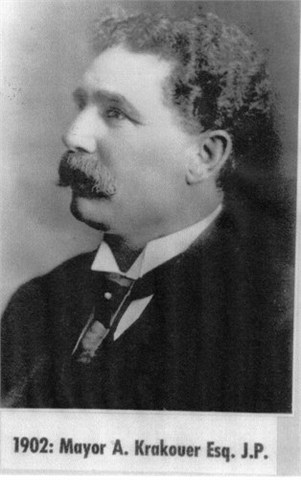
Abraham obviously recovered from the igmony of his incarceration, as he went on to become Mayor of Collie, and also owned a string of pubs with two of his brothers.

Krakouer died in 1928 aged 74 and is also buried in the Albany cemetery.

Two of the brothers also married local indigenous women, starting a dynasty of Jewish -Aboriginal football players.

Albany WA

Sources: Antonovsky, A & W; Here from the Beginning: Jewish contribution to life in early Fremantle. Viewed at https://fremantlestuff.info/jewish/heritage.html

Geni; Abraham Krakouer. Viewed at  https://www.geni.com/people/Abraham-Krakouer/6000000028352943569#/tab/media

Gravestone Photos; Name Details Abraham Krakouer  https://www.gravestonephotos.com/public/namedetails.php?deceased=1567639 and Henry Rodber https://www.gravestonephotos.com/public/gravedetails.php?grave=759915

Griffin and Co – http://collections.rmg.co.uk/collections/objects/110412, Public Domain, https://commons.wikimedia.org/w/index.php?curid=62566072

Police Gazette Western Australia, Wednesday June 17, 1885, https://slwa.wa.gov.au/pdf/battye/police_gazettes/188506_m.pdf

South Australian Register  Monday 15 June 1885, p 5

State Library of Western Australia, Albany, 016813pd, The Weld Arms hotel, Albany, ca 1904

The West Australian, Thursday 25 March 1886 – p3, Tuesday 21 July 1885, p 3, Wednesday 19 August 1885, p 3,  Thursday 20 August 1885 – Page 3

Family day out ends in tragedy

A drowning accident attended by strangely pathetic circumstances occurred in the vicinity of the Lower King Bridge on Sunday afternoon, the victim being Edward, aged between 8 and 9.

The Albany Advertiser

1912- The Albany Cuddihy family  – mother and father, their four children and an adult friend drove out to the mouth of the King River on this Sunday morning, settling down close to the bridge.

Image: Sharyn Moodie

After lunch, Edward, the second son, some siblings and friends were fishing from the bridge, with Mrs Cuddihy not far away chatting to a lady friend. Mr Cuddihy and his friend walked into the bush to look at a horse.

Article image from the National Library of Australia’s Newspaper Digitisation Program

Mr Cuddihy and his friend walked into the bush to look at a horse. It wasn’t until he returned about 5pm and they were preparing to go home, that it was noticed that Edward was missing.

The bridge in 1905.

They searched the night through for him, and the next morning Mr Ashman drove the 13 kilometres back to town  to report the incident.

Two search parties in cars headed to the bridge, and along with a policeman, Constable O’Brien, explored the terrain, only returning to town at 4 o clock the next morning.

A 20-strong mounted party was then organised, along with an indigeneous tracker.

However, they arrived at the scene to the news that the boy’s body was found.

It had been discovering lying face down in 60cm of water about 200 yards below the bridge.

“A nasty wound was on the head and it is surmised that the little fellow fell from the bridge and struck a waling piece, being rendered unconscious.

“The water hereabout is no more than 3ft. deep and unless he had been injured the boy, would not have drowned. 

Edward’s gravestone in the Roman Catholic section of the Albany Memorial Cemetery. Image: Sharyn Moodie.

The boy’s father was a local councillor, and the funeral was very well attended.

Albany, WA.

Sources:  Lower King and Bayonet History Association. History of Lower King, https://lowerkingbayonethead.weebly.com/lower-king.html

The Albany Advertiser, Wednesday 1 May 1912, p3,  Saturday 4 May 1912, p3.  

 Western Mail, Saturday 4 May 1912 – Page 30