Drowned learning to swim

Image: Sharyn Moodie

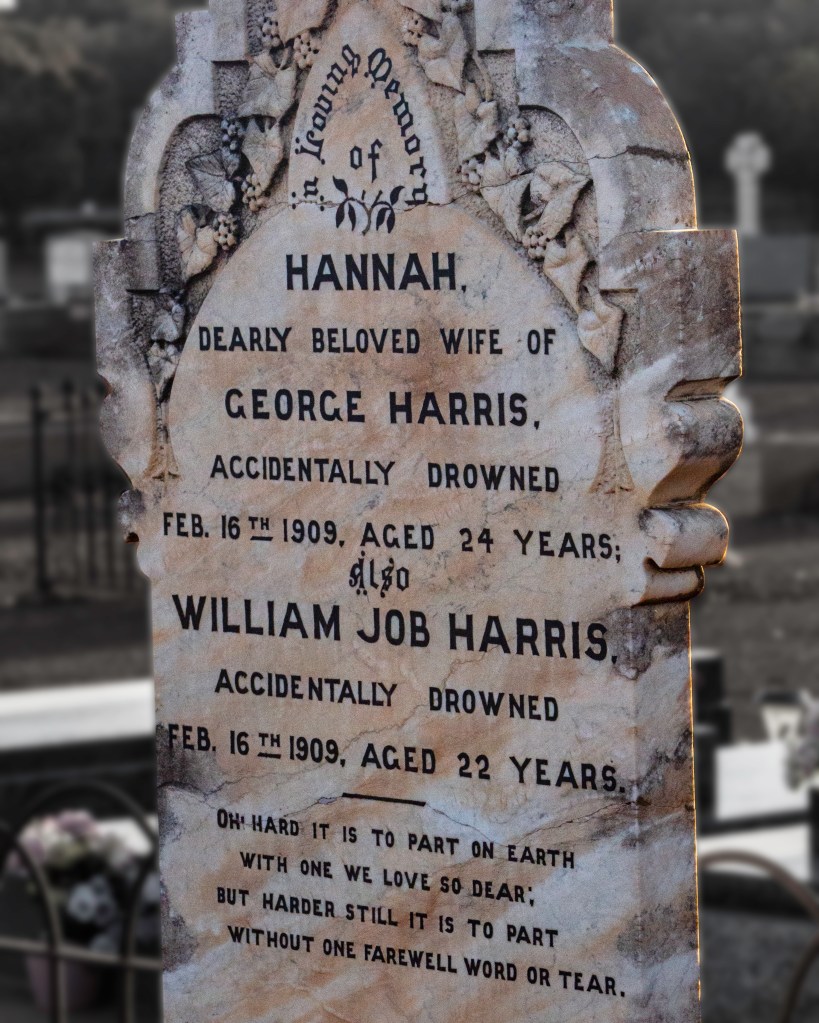
The evening of February 18, 1909, a number of women and children went to one of the Great Cobar mine tanks to “bathe’’, something they enjoyed regularly.

Cobar, in mid central New South Wales, was a stronghold of copper and gold mines, starting from the 1870s. By 1909, the hot, dry town had hit its peak population of 10,000.

Twenty-five-year old Hannah Harris was there, along with other women and children.

She was in the water when her brother-in-law, William Harris, came down.

He was known to be a good swimmer and she asked him to teach her.

They were out in the centre in about eight feet of water when others noticed they were in trouble.

Bystander Richard Kerr went in to help, but the distressed couple dragged him under.

“He had to struggle to get away and reached the bank in an exhausted condition,” newspapers reported.

Hannah’s husband, hearing the screams, “rushed down and attempted to effect a rescue, but was unable to do so, and he was taken out of the water in an exhausted condition, being insensible when brought ashore.’’

Mr and Mrs Harrisses bodies were recovered. Their tombstone is at the Cobar cemetery.

Source: The Age (Melbourne, Vic.1854 – 1954) Thursday 18 February 1909 p 8

Cobar NSW

A holiday tragedy

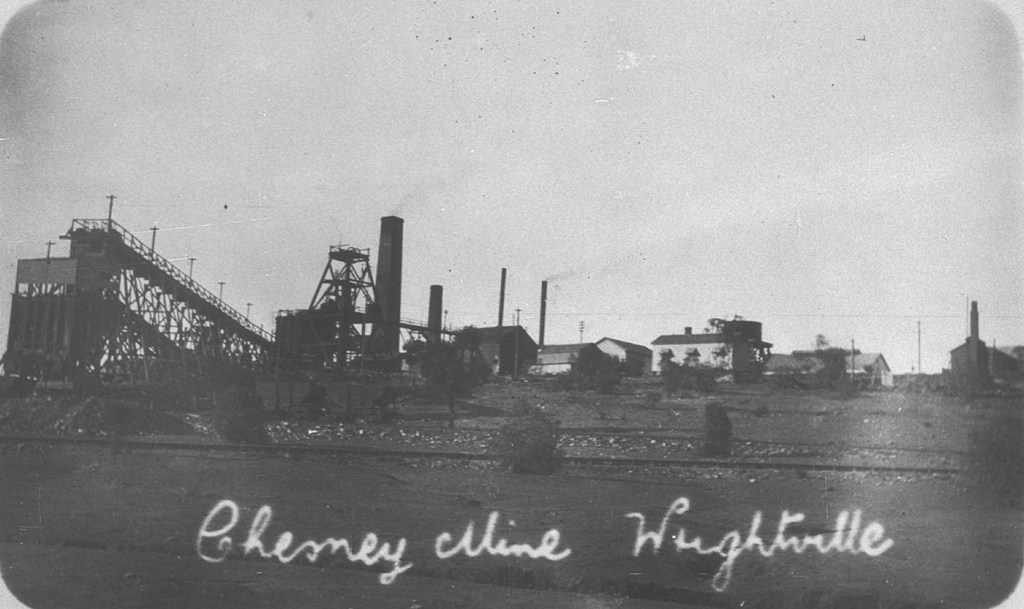
Australia Day, in 1917 known as Anniversary Day, was a great Friday in Wrightville, a small mining town near Cobar in mid central New South Wales.

People had gathered for the festivities, which included a swimming carnival in the mine tank.

Lucy (Lulu) Ted and Thelma Knight, aged 9, 8, and 6 were brought to the event by their mother, and spent the day “enjoying themselves in characteristic juvenile fashion,’’ reported the Western Age a few days later.

After tea with friend Mrs Boroham, the two older children persuaded their mother to let them return to play at the mine tank, which was not far away.

As the two Boroham children often played there, Mrs Knight said yes, intending to join them in a few minutes.

But before she did, the alarm was raised and they rushed to the water. By the time a man had plunged into the water to attempt a rescue, it was too late.

“The little buds of humanity who a few minutes before were ringing with happy and innocent chatter and laughter, were gone; the cherubs were dead, and their little bodies lay lifeless and cold on the bank’’

the Western Age lamented

A doctor quickly arrived, but  “notwithstanding his unremitting attempts at resuscitation and the help rendered by numerous ladies, the lives could not be revived, they had passed beyond human aid.’’

Meanwhile, Mr Knight was at home waiting for his family to return. A telephone call sent him rushing to the scene, a 10-foot deep channel between two tanks.

Years ago, in the dry times Mr Knight supervised the excavation of this cutting and he “sorrowfully, though philosophically”, remarked to the newspaper reporter, “that he little thought at that time that he was watching the construction of a death-trap for his own two darling children”.

Cobar Chesney Gold and Copper mine Source: State Library of New South Wales

Source: Western Age (Dubbo, NSW : 1914 – 1932) Tuesday 30 January 1917 p 2

Cobar NSW