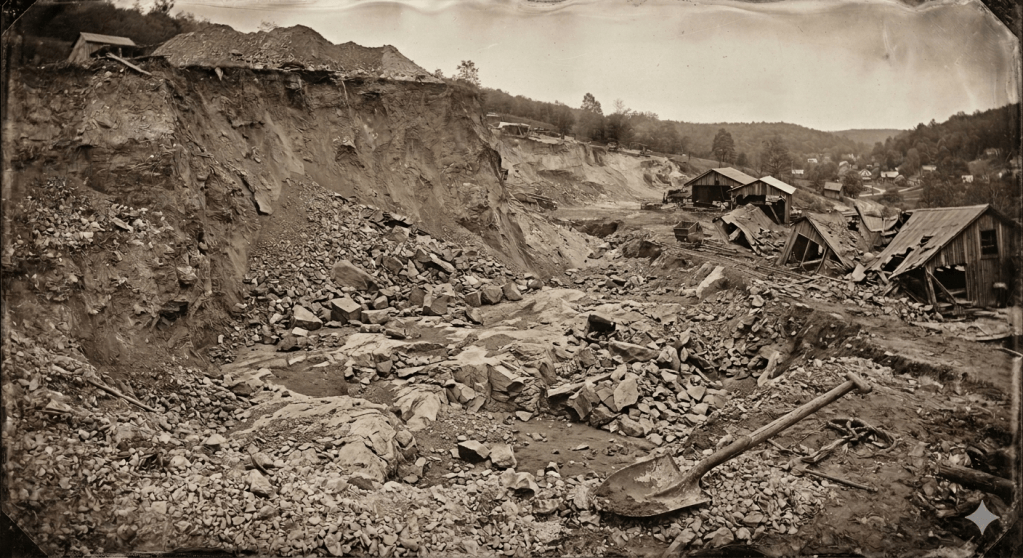
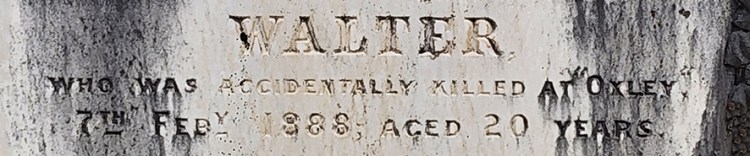
1888 – Walter Dalton’s death unexpected death when a gravel pit wall collapsed was tragic, but it was only one of several violent deaths in the Oxley region that week.
A man named George Spink fell from the top step of his cellar, the wheels of a wagon full of sawn timber passed over the neck of Jeremiah Kelly when he fell off it, and John Carov was found dead near his cart on the road.
Twenty-year-old Walter had been in fine health when he left his parent’s house that morning for the 200-yard walk to the council gravel pit, where he worked alongside his brother Henry.
They were undermining the wall of gravel, as was the common practice, but it was not expected to fall that day.
However, his brother only worked with him before breakfast that day, afterwards going to the Milawa town square.
Henry returned to their parent’s house about 10am, and then went to call Walter for lunch.
Getting no answer, he went into the pit, and could see “thirty or forty tonne’’ of gravel had fallen. The only evidence of his brother was the shovel he had been using.
He ran back to the house to tell his father he feared his brother ‘was done for’.
They rallied neighbours and about an hour-and-a-half of hard work Walter’s body was recovered. News reports said only about ten tonnes of earth had fallen, but that was more than enough to leave the body badly bruised.
Walter’s father told the inquest into the incident held the next that day that his son was healthy and strong, and had never had any illness since he was a child.
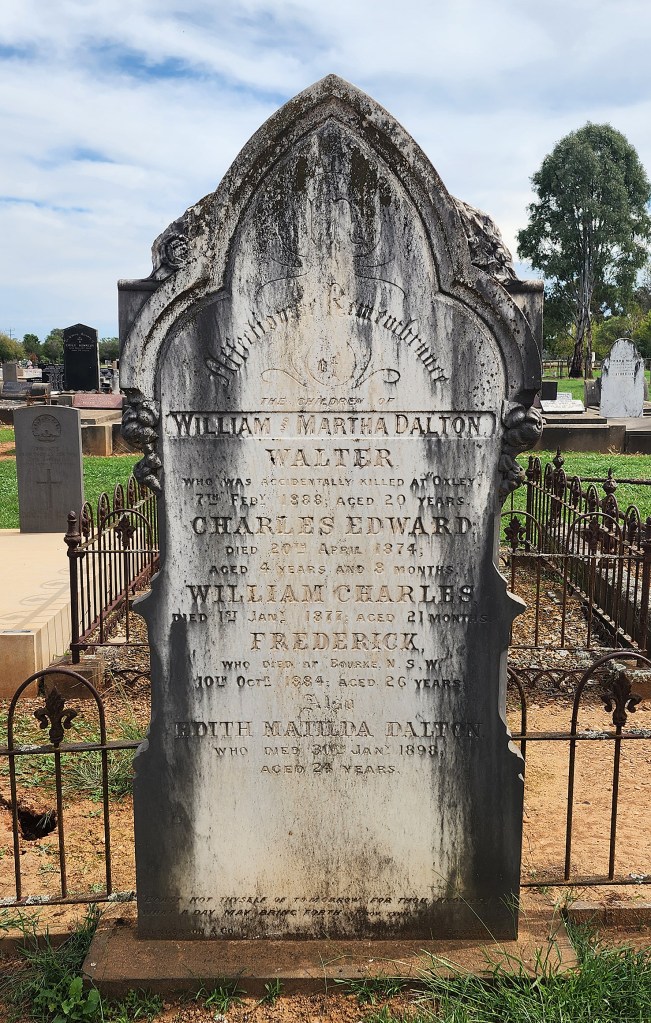
He was the fourth child the family lost, with two little ones having died aged 21 months and four years, and another son having died four years before aged 26. Unfortunately, William and his wife Martha were to lose an adult daughter ten years later, aged 24. Available records show there was possibly ten children all up in the family.
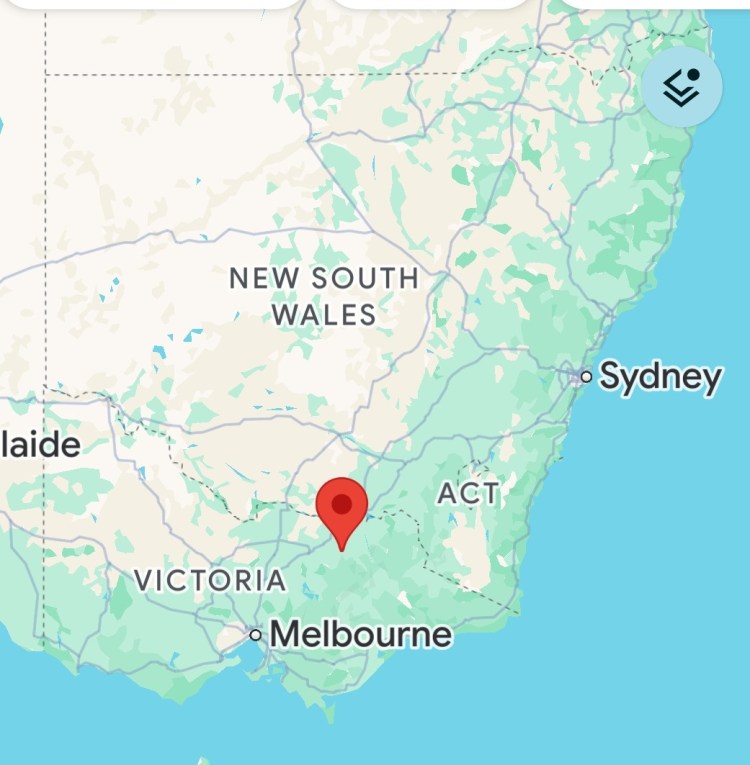
The agricultural settlement of Oxley, which is 13 kilometres south-east of today’s larger city of Wangaratta, at the time had about 3000 inhabitants.
Sources: Ovens and Murray Advertiser, Saturday 18 February 1888, p 13
The Australian Star February 1888, p6

