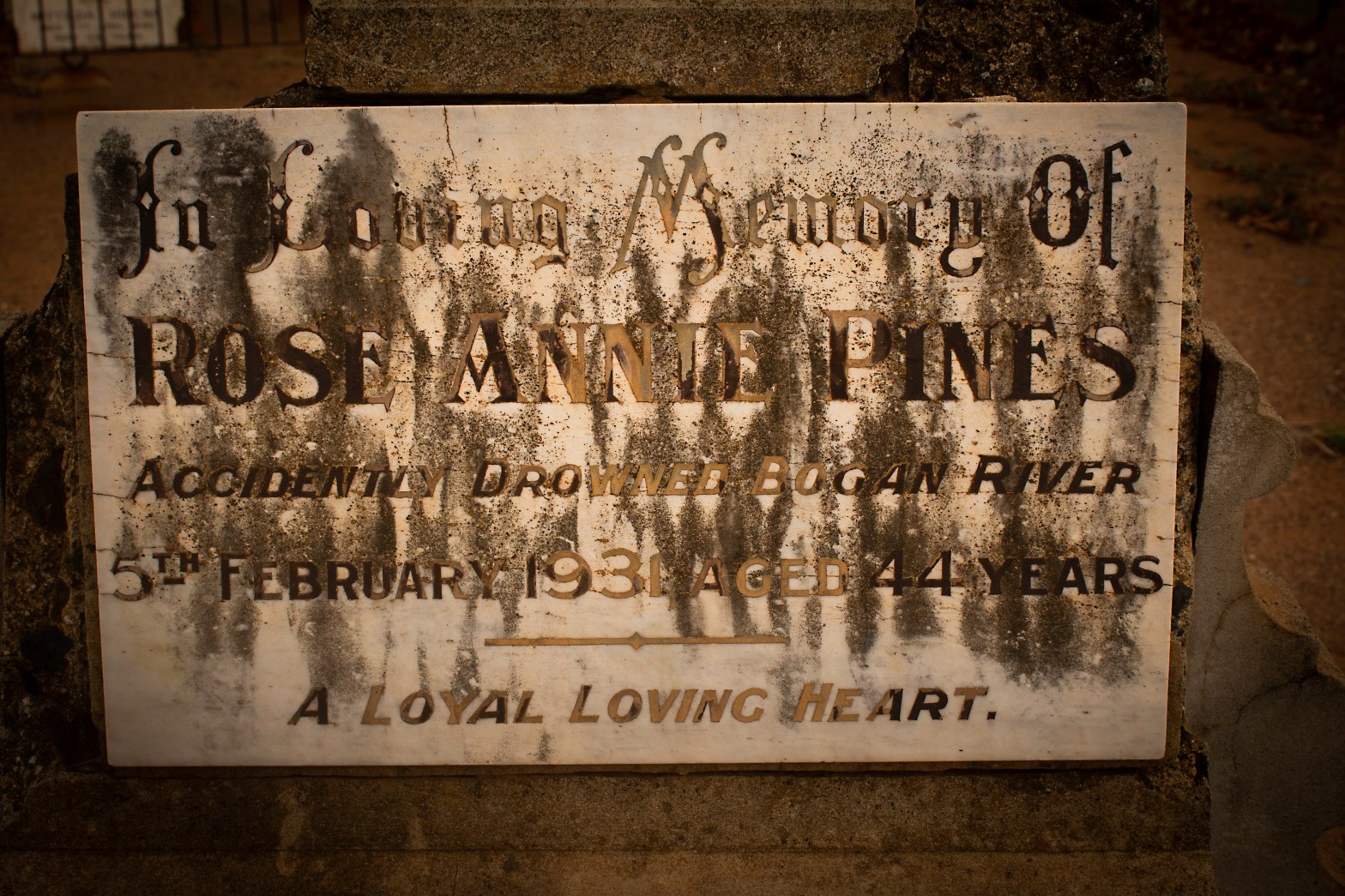
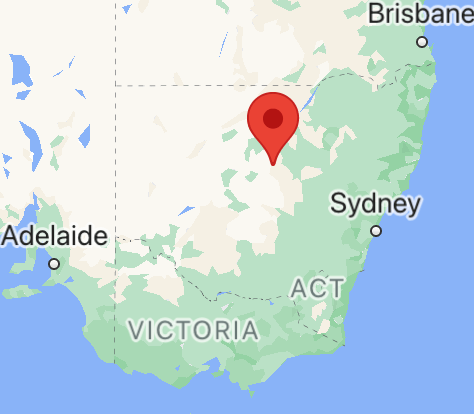
A recent flow of water had been enticing many swimmers to the Bogan River below Yee War’s garden near Nyngan, New South Wales.
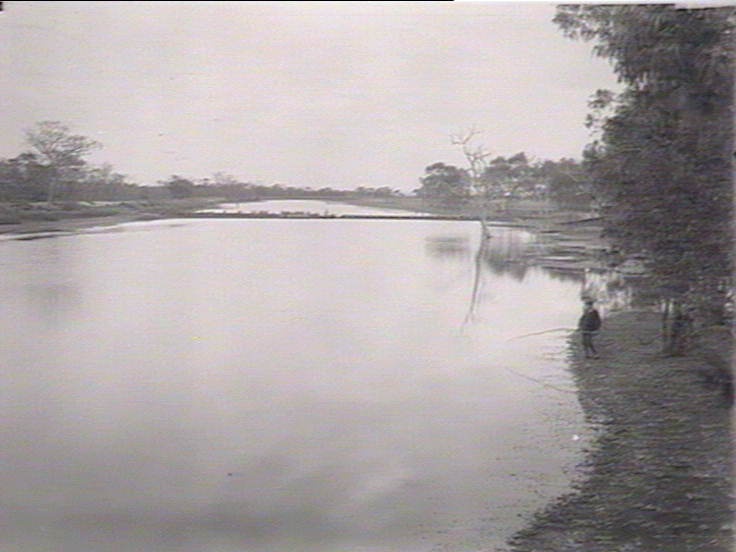
But on February 5, 1931, after 5pm, there were only three present. Only one lived to tell the tale.
Rosie Pines, 44, a strong swimmer who had herself helped rescue a woman in trouble in the water at Tumet in years past, was with her friend Florence Murray, 25, a much weaker swimmer.
They were accompanied by eight-year-old Marie Graham, who sat on the bank and watched.
Marie was the only eyewitness, and later said the women went into the water to get a motor tube used as a floatation aid, and Mrs Murray appeared to sink.
Mrs Pines went to her assistance.
“The little girl said Mrs Murray appeared to put her arms around Mrs Pines and both went under the water.’’
After waiting for a while, Marie ran home, which was near the Pines’. Upset and in shock, she told Mr Pines she had lost the women.
Mr Pines set off on foot to the river, thinking the women may have had car trouble but on arrival found the car and the women’s clothes, but no sign of them.
The bodies were both found in the next three hours, thanks to the efforts of 50 searchers, who quickly gathered at the scene “ostensibly to have a dip, but soon joined in the search effort.”
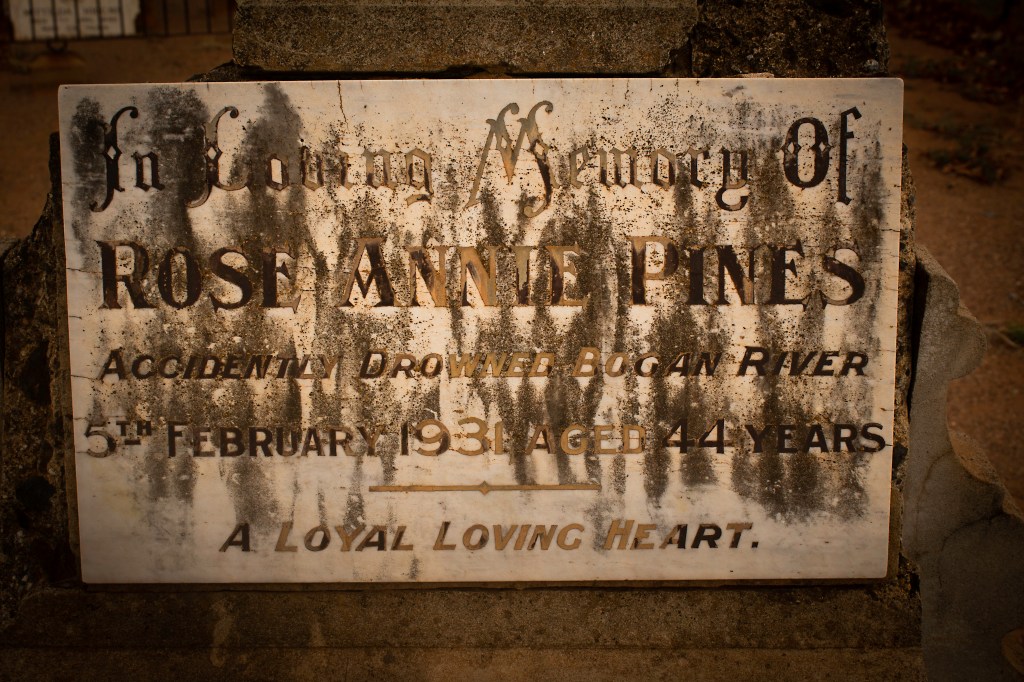
Rosie Pines is buried in the Nyngan cemetery, while Mrs Murray was laid to rest in Sydney.
Source: Lachlander and Condobolin and Western Districts Recorder, Wednesday 25 February 1931
River image: Courtesy State Library of New South Wales. https://collection.sl.nsw.gov.au/record/9qoV4Oq1/leQ0zmBGL3b7O
 Way to go Australia