1928 – Charles Dunbar’s life was over in a flash. The workman was camped out about 50 miles north of Yalgoo, WA, which is still a remote place to be today. He was with his boss, Mr McPherson and the boss’s son Ross, when the three of them were hit by lightning. It was aboutContinue reading “Lightning hit trio, killing one”
Tag Archives: sharyn moodie
Heat too much for teen
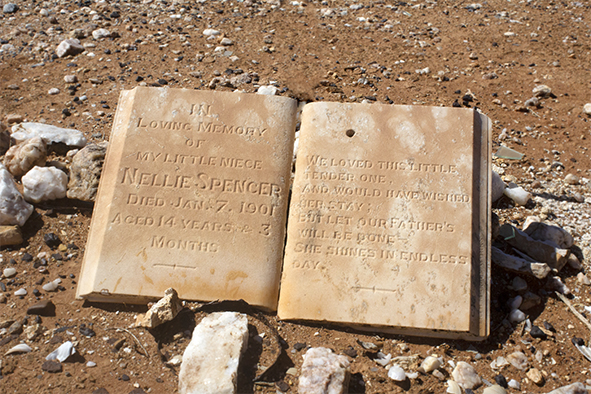
1901 – Eleanor Mary Spencer was one of two people to die of ‘heat apoplexy’ (heat stroke) at Cue on January 7, 1901, claimed The Southern Cross Times and numerous other newspapers. It was a week of temperatures above 38 degrees, in the remote Western Australia outback mining town. The other victim, they said, wasContinue reading “Heat too much for teen”
Noongar woman a trailblazer
The headstone of half-Aboriginal woman Mary Cuper stands tall and proud, set apart from the simple white crosses and the myriad unmarked graves belonging to other Noongar inhabitants of the New Norcia cemetery. Intriguingly, the words “at her sorrowful husband’s expences (sic) are found at the bottom of a description of her achievements. The townContinue reading “Noongar woman a trailblazer”
Hunting trip ends in tragedy
1917 – Alfred Chesson, 19, accidentally shot himself on the way home from a hitherto-successful shooting expedition. The family lived at Day Dawn, a Western Australian gold mining settlement which today is a whisper of a ghost town, 6 kilometres from Cue. On Saturday afternoon Alf, his father, also Alfred, and a younger brother hadContinue reading “Hunting trip ends in tragedy”
Toddler “got in a scot” and drowned
1901 – Farmer Ernest Pye was walking near the Mudgee Racecourse, central New South Wales, about 7pm one evening when he heard a woman cry. Turning around, he saw a woman sitting outside her house with a child’s wet body in her arms. The woman was Helen Cook, the mother of ten children. She hadContinue reading “Toddler “got in a scot” and drowned”
First novelist was a convict
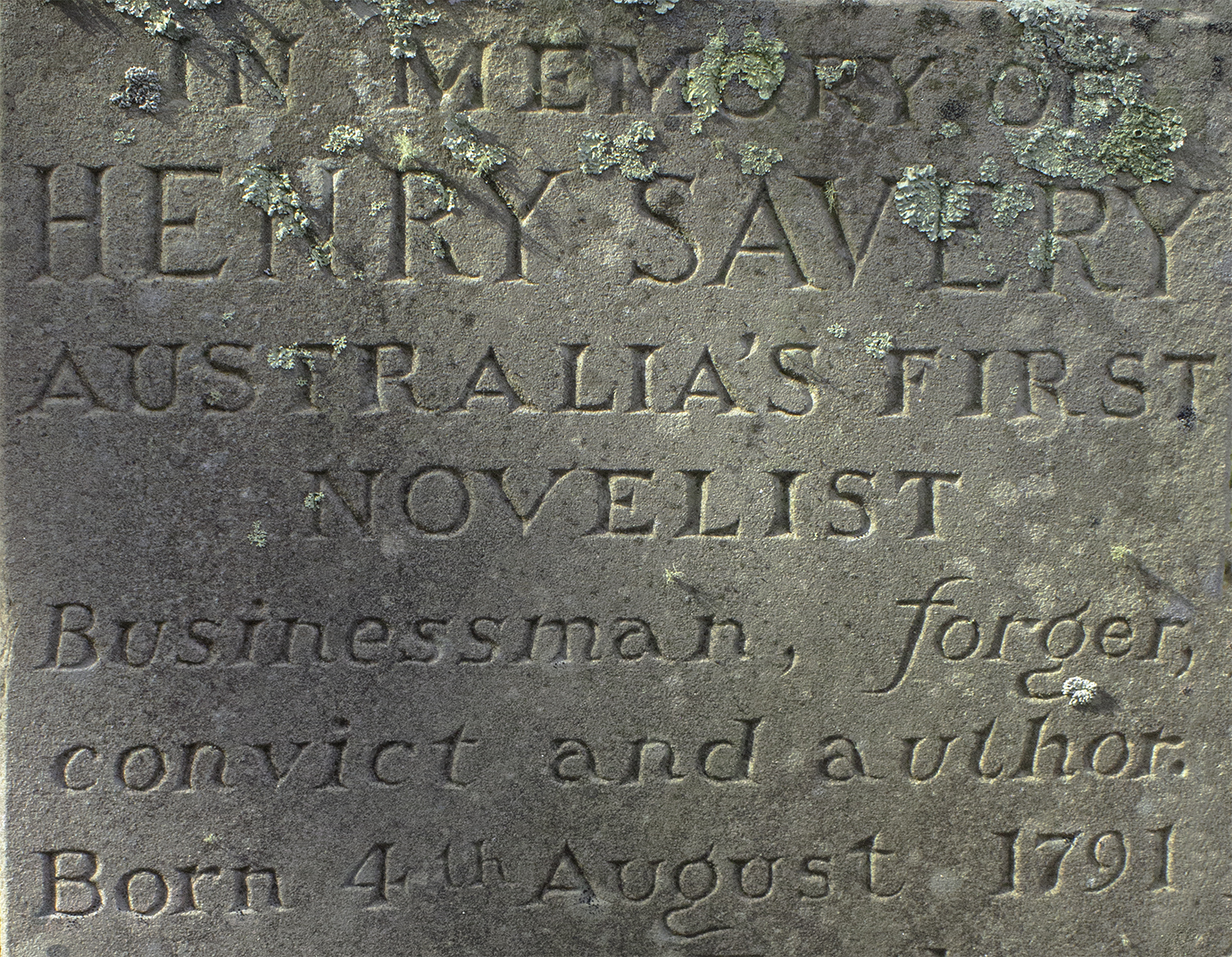
Port Arthur’s eerily-named Isle of the Dead is the repository of more than 1000 convicts, officials and their families who died at Tasmania’s infamous penal settlement. Many graves were not marked, and their stories are lost to time. But one convict has been remembered, due to his special place in history. Henry Savery’s writing skillsContinue reading “First novelist was a convict”
Molten metal a nightmare death
1909 – Mining accidents were common in the early days of the 20th century, yet when Ambrose Fox was burnt to death by an explosion of molten metal in the Great Cobar mine, his funeral was said to be the largest the town had ever seen. The 44-year-old was killed after a repaired appliance knownContinue reading “Molten metal a nightmare death”
Misheard blast kills miner
1873 – Joseph Paxton’s mining company was said to be one of the best-managed in the Hills End district of New South Wales. However, when it came to mining in the early years of Australia, anything could happen. And unfortunately it did, to one William Oliver. Basically, Oliver heard a bang, thought the explosive chargeContinue reading “Misheard blast kills miner”
Boxing day tragedy
1880 – Young Parkes flour mill worker Joseph Sim was riding his horse over a hurdle at a Boxing Day event, when it caught on the post and fell on him. “He was immediately removed in an impossible condition to the hospital for medical attendance’’, where he died without recovering consciousness. While newspaper reports say the event happened onContinue reading “Boxing day tragedy”
Such was (Grace’s short) life
‘Such is life’ has long been a quintessentially Australian saying, grounded firmly in its supposed last-minute utterance by famous bushranger Ned Kelly. And it so neatly rounded up people’s forebearance of the tragedies of life that it appeared on the headstone of a one-month-old girl in Charters Towers in Queensland, Australia about 1888. The stoneContinue reading “Such was (Grace’s short) life”
 Way to go Australia