In Australia, the 1919 Spanish flu pandemic had many similarities to the COVID-19 outbreak, including closed state borders quarantines, and restrictive public health measures.
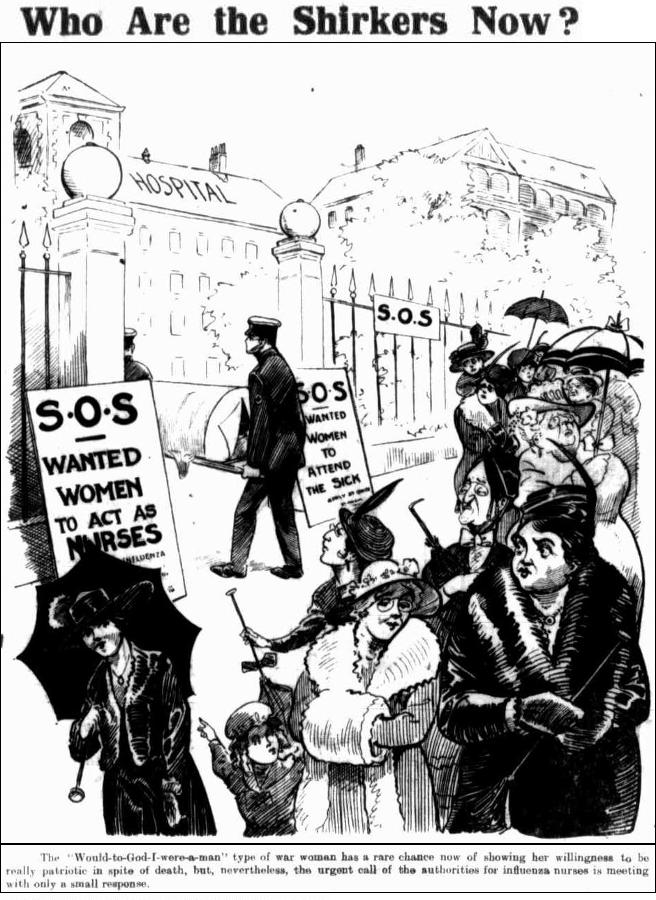
And just as in COVID times, health care workers took the brunt of the risk. But what was different was the depletion of male workers due to the recently finished Great War, and pressure on women to step in.
The NSW-Queensland border was closed in early 1919, but by May cases were so high in Queensland that it was reopened again.
It didn’t take the disease long to reach the north of the state, including the western goldfields.
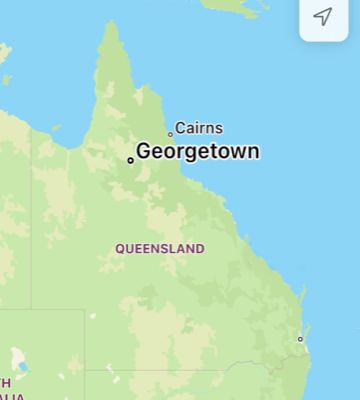
At the Etheridge Hospital in Georgetown, 500 kilometres inland from Townsville, the situation was as dire as elsewhere.
In July it was reported the town had mild cases only, but by mid-August, a more severe form of disease had hit and the hospital was full. It was said half of the town’s population was infected. There were no doctors and drugs were limited.
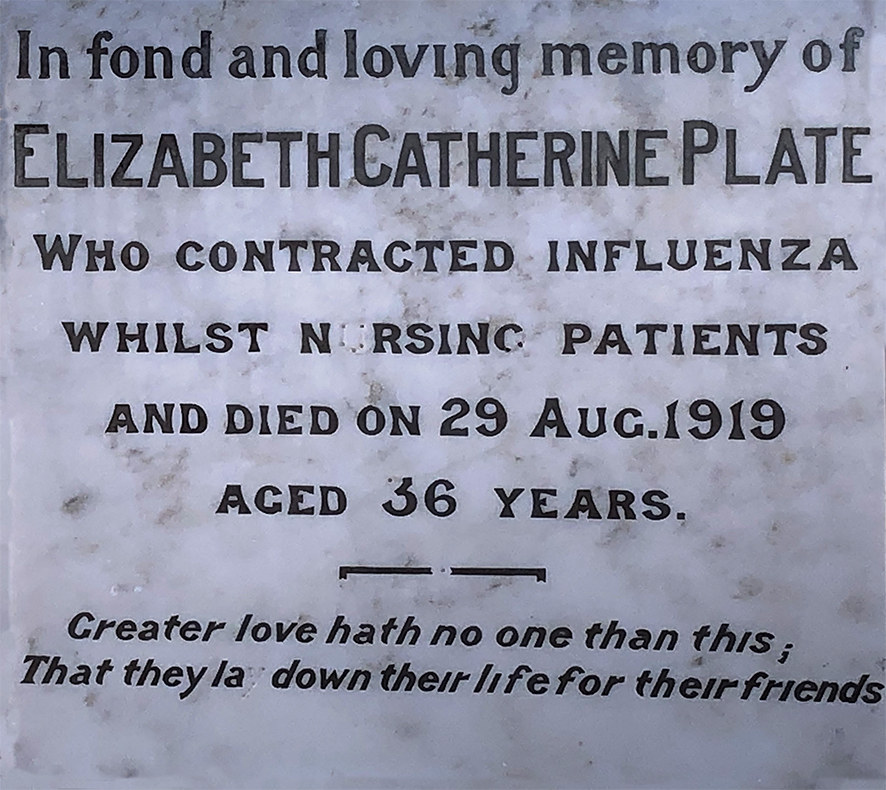
Public pleas were being made for nurses. It is not known whether Elizabeth Plate, or Lizzie as the newspapers reporting her death called her, was a nurse or just someone who stepped up to help.
Either way, she was dead of the disease by late August. By October the Etheridge shire reported no cases.

Sources: Cairns Post, Saturday 30 August 1919, p4
National Archives of Australia Closed borders and broken agreements: Spanish Flu in Australia. https://www.naa.gov.au/blog/closed-borders-and-broken-agreements-spanish-flu-australia, accessed April 4, 2024
The Brisbane Courier, Thursday 14 August 1919, p8, Monday 1 September 1919, p8
The Northern Herald, Wednesday 30 July 1919,p10, Wednesday 8 October 1919 – Page 3
Week, Friday 29 August 1919 – Page 19
Worker (Brisbane, Qld. : 1890 – 1955)Thursday 29 May 1919 – Page 1
 Way to go Australia